
INTELLECTUAL FORMATION
Deepening understanding, preparing to proclaim
Preparing for priesthood involves learning to understand the faith deeply and communicate it clearly. Intellectual formation helps seminarians explore the questions people ask about God, human life and the world, bringing faith and reason into conversation.
Through the study of philosophy and theology, each man develops the knowledge, judgement and habits of reflection needed for ministry. These studies prepare him to preach the Gospel, teach the faith and respond thoughtfully to the people he will serve.
“Intellectual formation helps priests to listen profoundly to the Word, and also to the ecclesial community”
— Ratio Fundamentalis Institutionis Sacerdotalis, no. 117.
FAITH SEEKING UNDERSTANDING
Intellectual formation encourages seminarians to ask thoughtful questions, examine ideas carefully and grow in their understanding of the Catholic faith. Philosophy and theology provide a foundation for preaching, teaching and engaging with the questions people bring to the Church.
Learning to think deeply and communicate clearly
Philosophy and the search for truth
Philosophy explores fundamental questions about existence, knowledge, morality and the human person. It helps seminarians reason clearly, assess arguments and engage seriously with different perspectives, preparing the ground for theological study.
Theology and the life of faith
Theology deepens understanding of God’s revelation through the study of Scripture, Tradition and the Church’s teaching. Seminarians explore the mysteries of faith, the sacraments and the moral life, learning to bring their studies into conversation with prayer and ministry.
Understanding and communicating
Study prepares seminarians to explain the faith faithfully and accessibly. Through reading, discussion and written work, they learn to express ideas clearly, listen carefully to questions and respond with understanding to the people they will serve.
STUDY IN DAILY LIFE
Seminarians at the Scots College study at Rome’s pontifical universities, alongside students from across the world. Philosophy is usually studied at the Angelicum, while theology is undertaken at the Gregorian or the Angelicum, according to each seminarian’s programme and language proficiency.
Lectures, reading, essays and examinations give structure to academic life. Within the College, personal study and conversations with fellow seminarians help each man reflect on what he is learning and connect it with his wider formation.
Studying in Rome also offers an experience of the universal Church. Encounters with different cultures and perspectives broaden seminarians’ understanding, while their future service in Scotland gives their studies a particular purpose: preparing to share the Gospel with the communities to which they will be sent.
Learning in Rome, preparing for Scotland
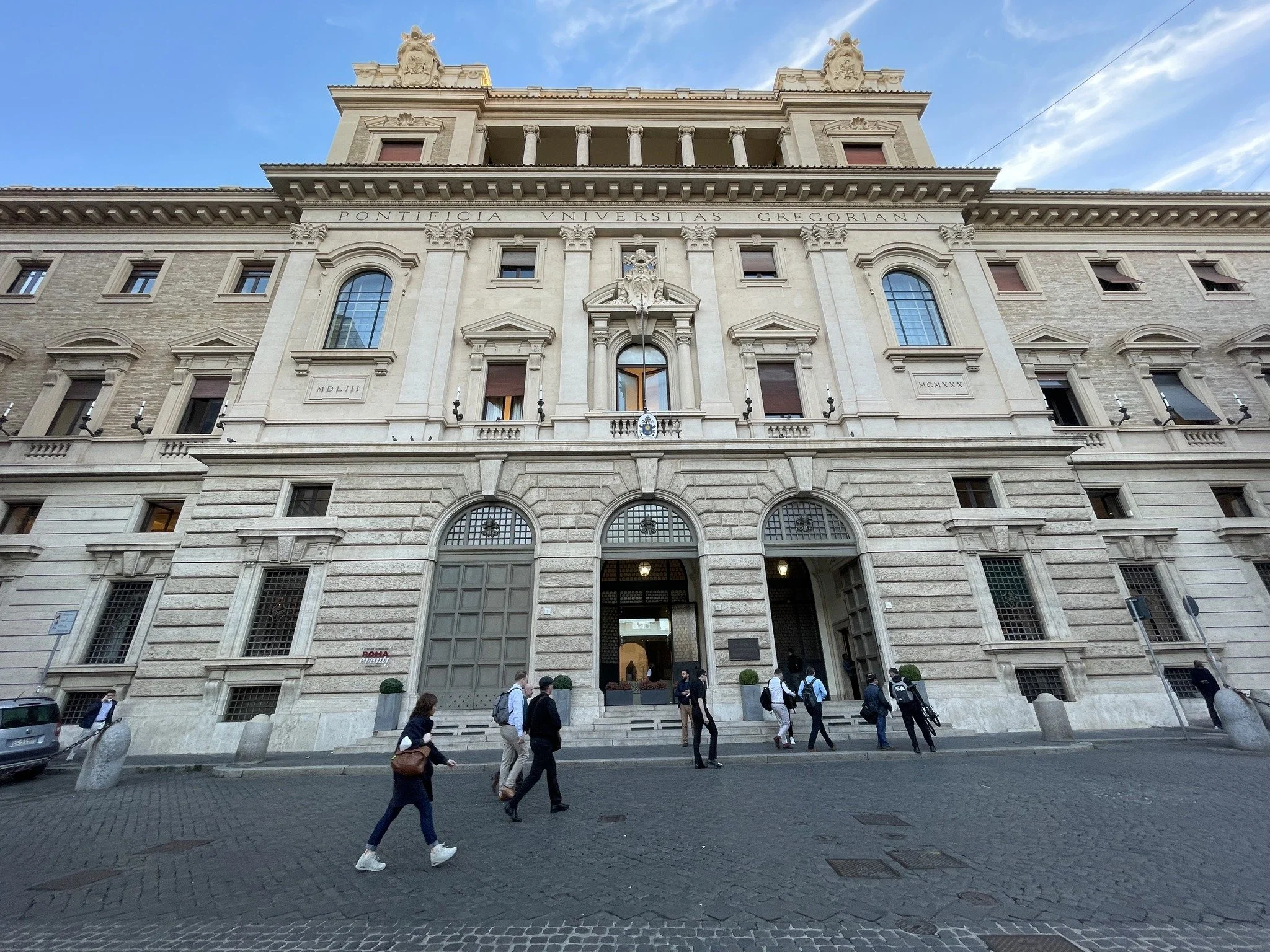
The Gregorian University, where most of the seminarians in theology study.
ONE INTEGRATED FORMATION
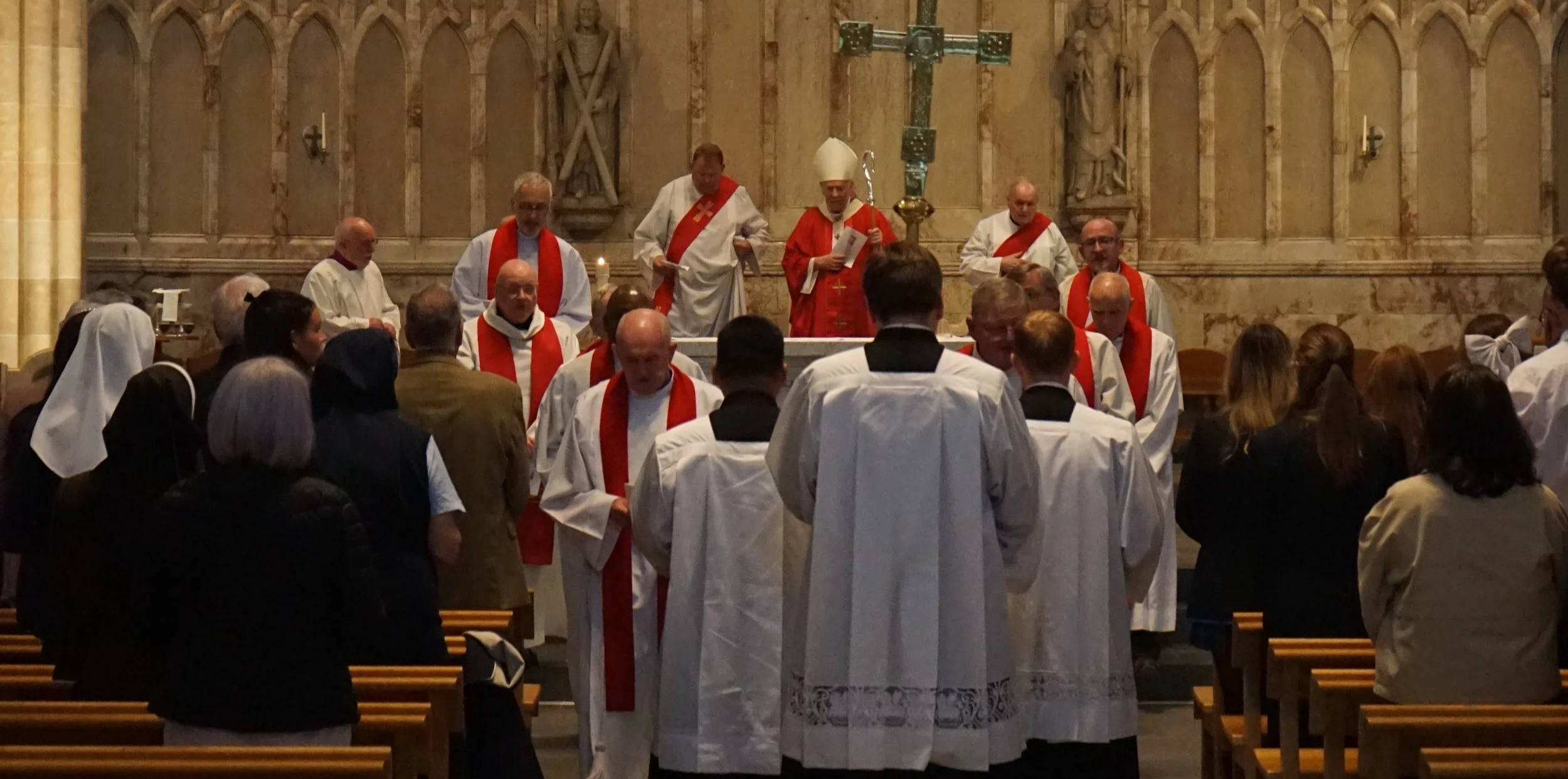
Intellectual formation grows alongside personal maturity, prayer and pastoral experience. Together, these four dimensions help seminarians bring understanding to their faith and prepare to serve the Church with wisdom, compassion and sound judgement.
Explore the other dimensions:
Spiritual Formation →
Human Formation →
Pastoral Formation →